
CERN’s Green Village Initiative
Your Demonstration Partner in Horizon Europe Consortium Projects
Testbed for Early-Stage Sustainable Solutions or Technologies
Sustainable Innovation on the CERN Campus
CERN’s Green Village Initiative
The Green Village Initiative offers a unique opportunity for research consortia, companies and start-ups to collaborate with CERN and test sustainable solutions in a real operational environment.
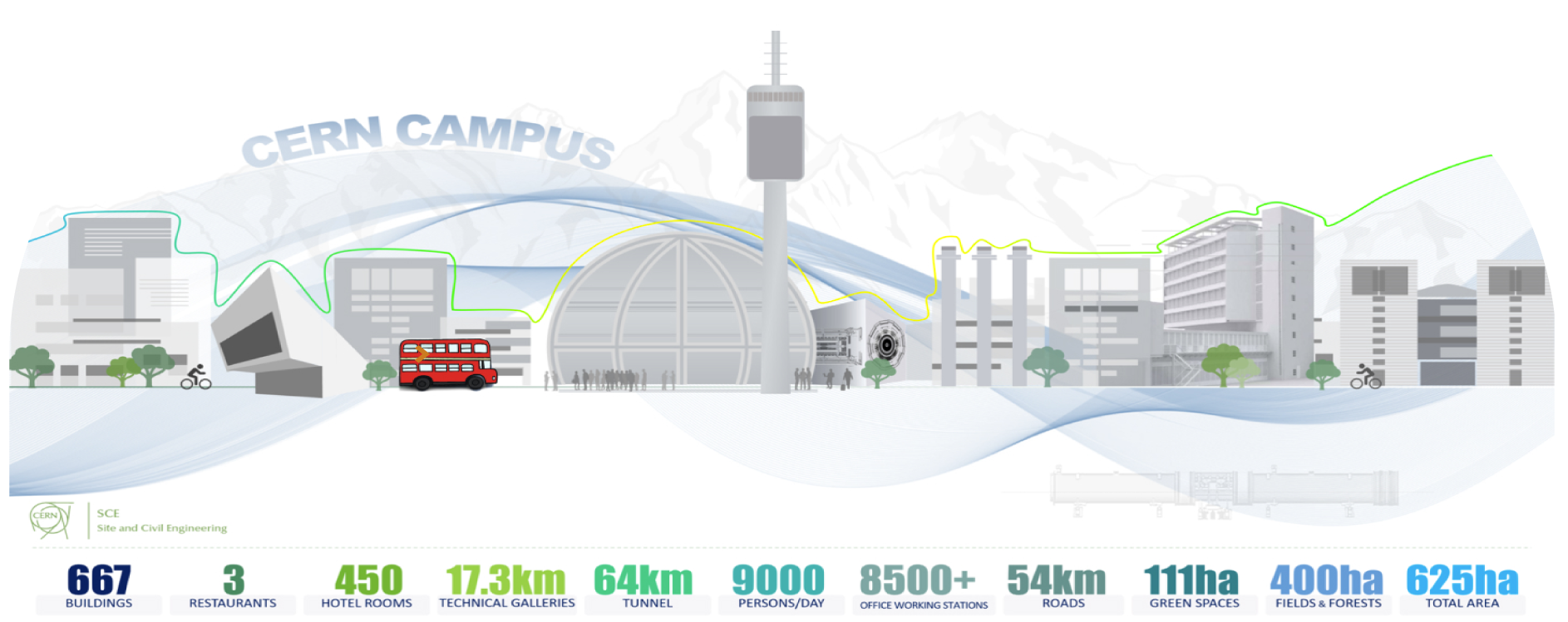
With over 600 buildings, 54 km of roads, underground structures, tunnels, hotels, green spaces, fields and forests, CERN is a self-governing urban area where more than 9,000 people work every day. This diverse environment provides an ideal setting for piloting, validating and demonstrating innovative technologies.
What CERN offers
Top level engineering and computing scientists
A highly visible location
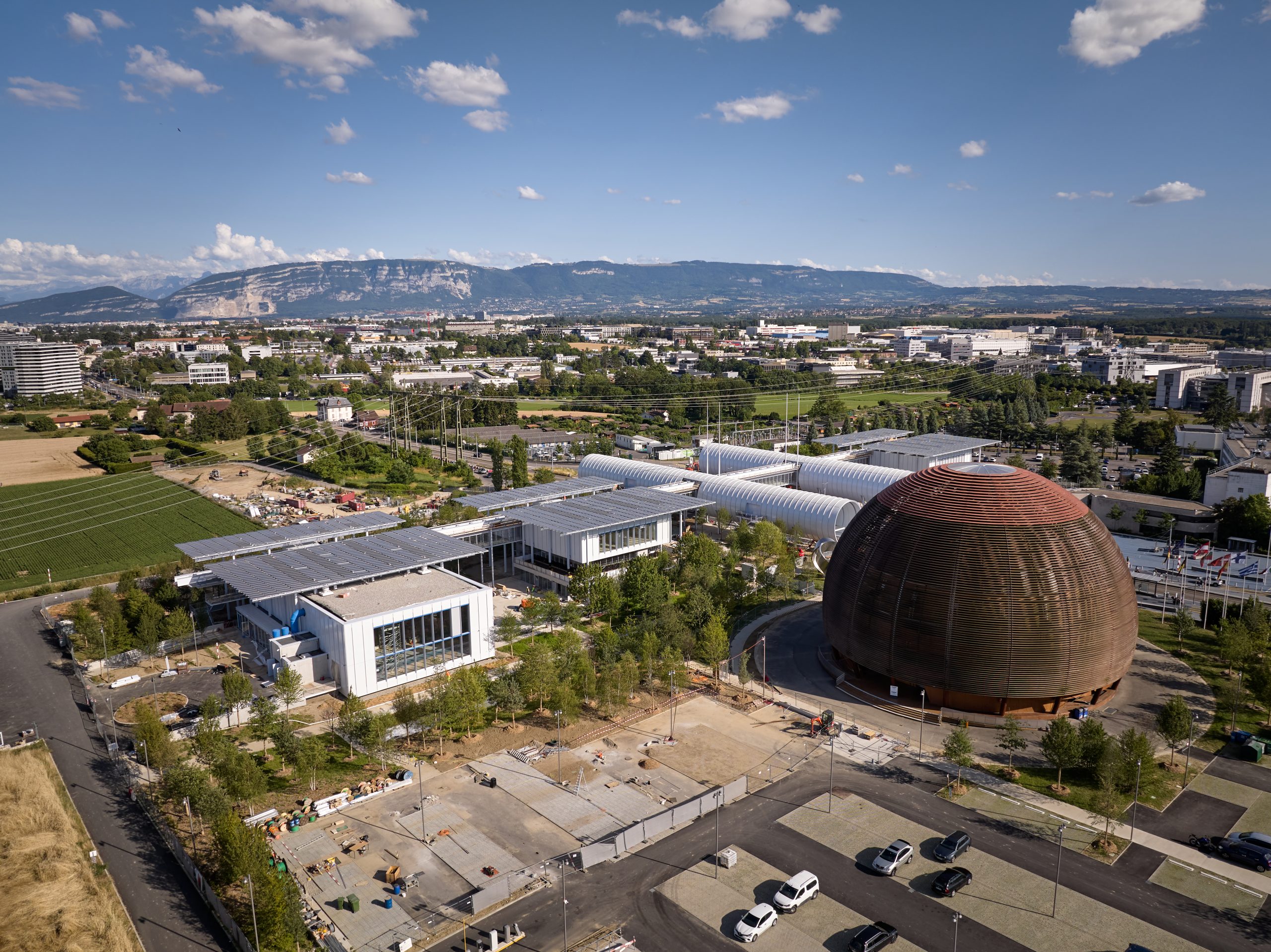
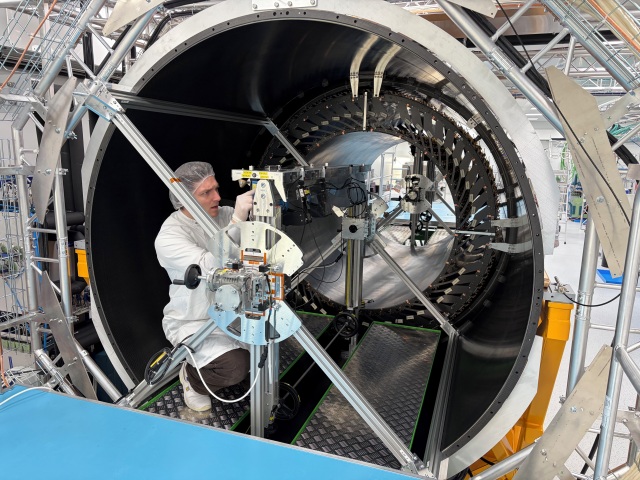
Infrastructure for testing
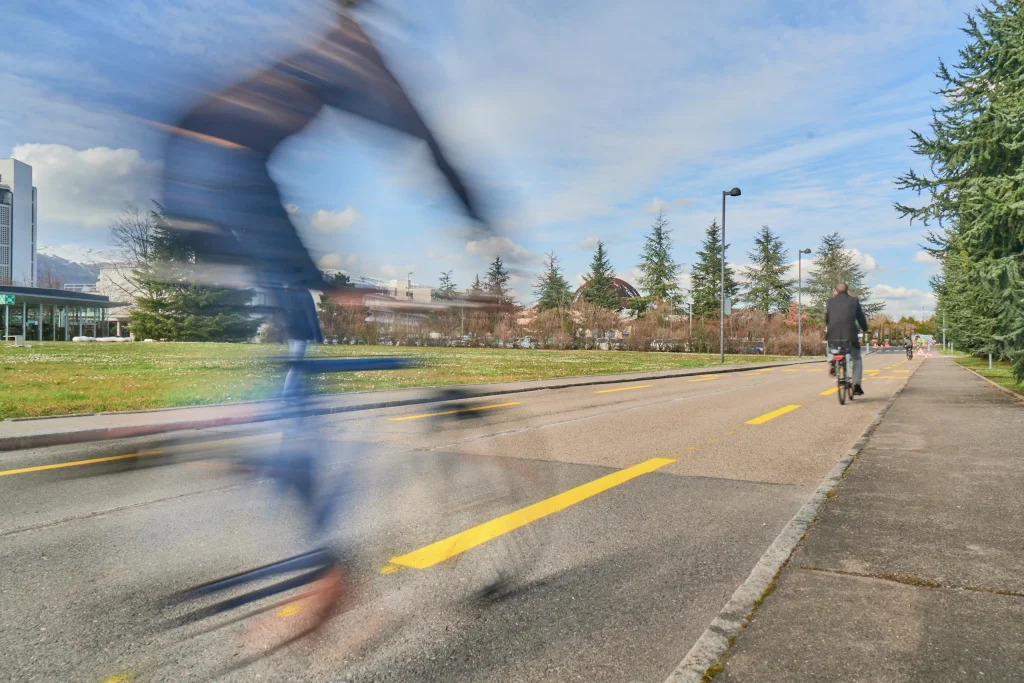
A diverse green landscape for testing
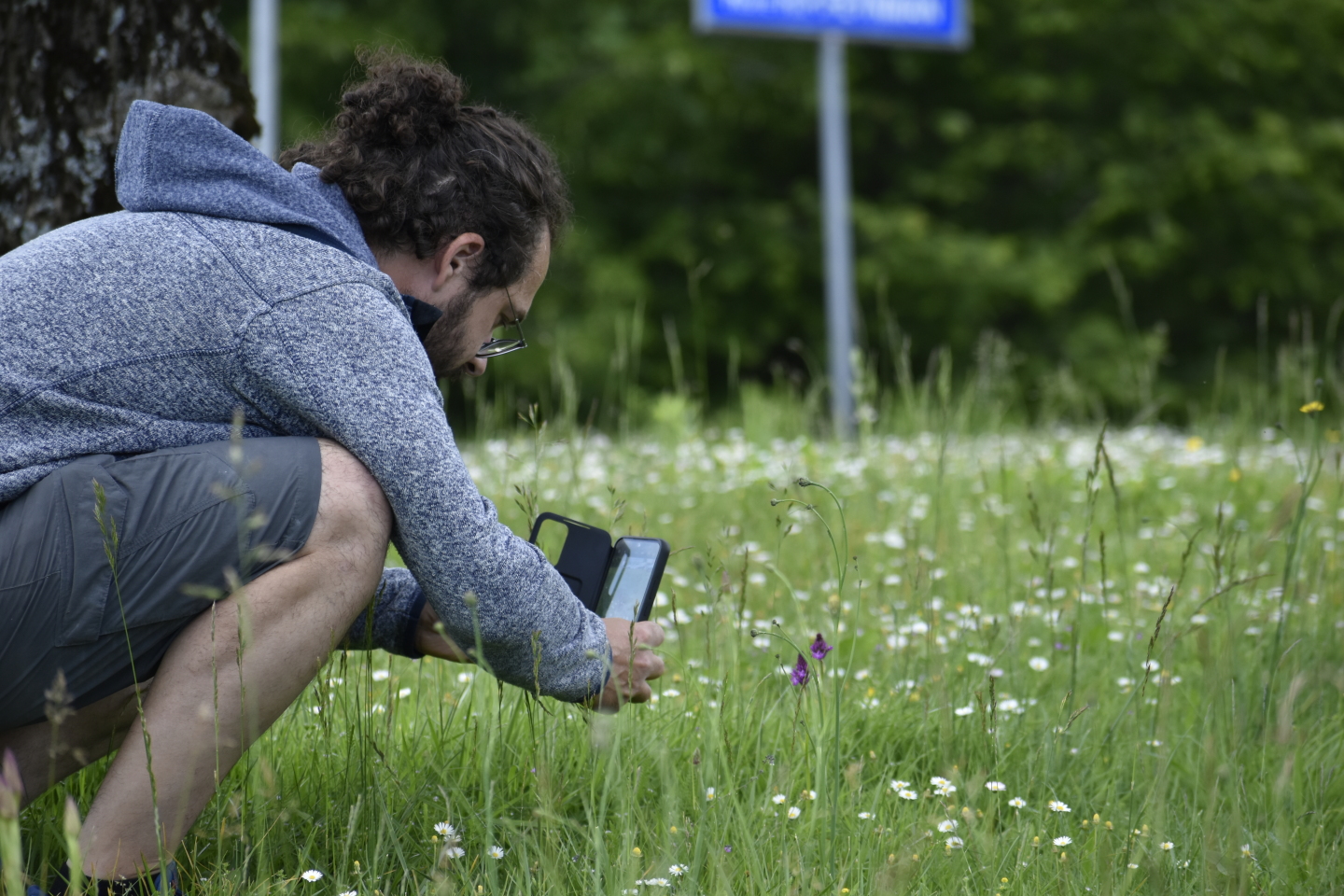
A platform for knowledge exchange, connection and education
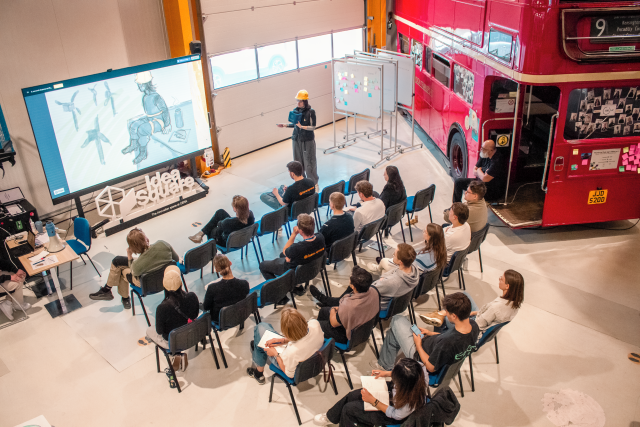
Autonomy, agility and flexibility to test new technologies
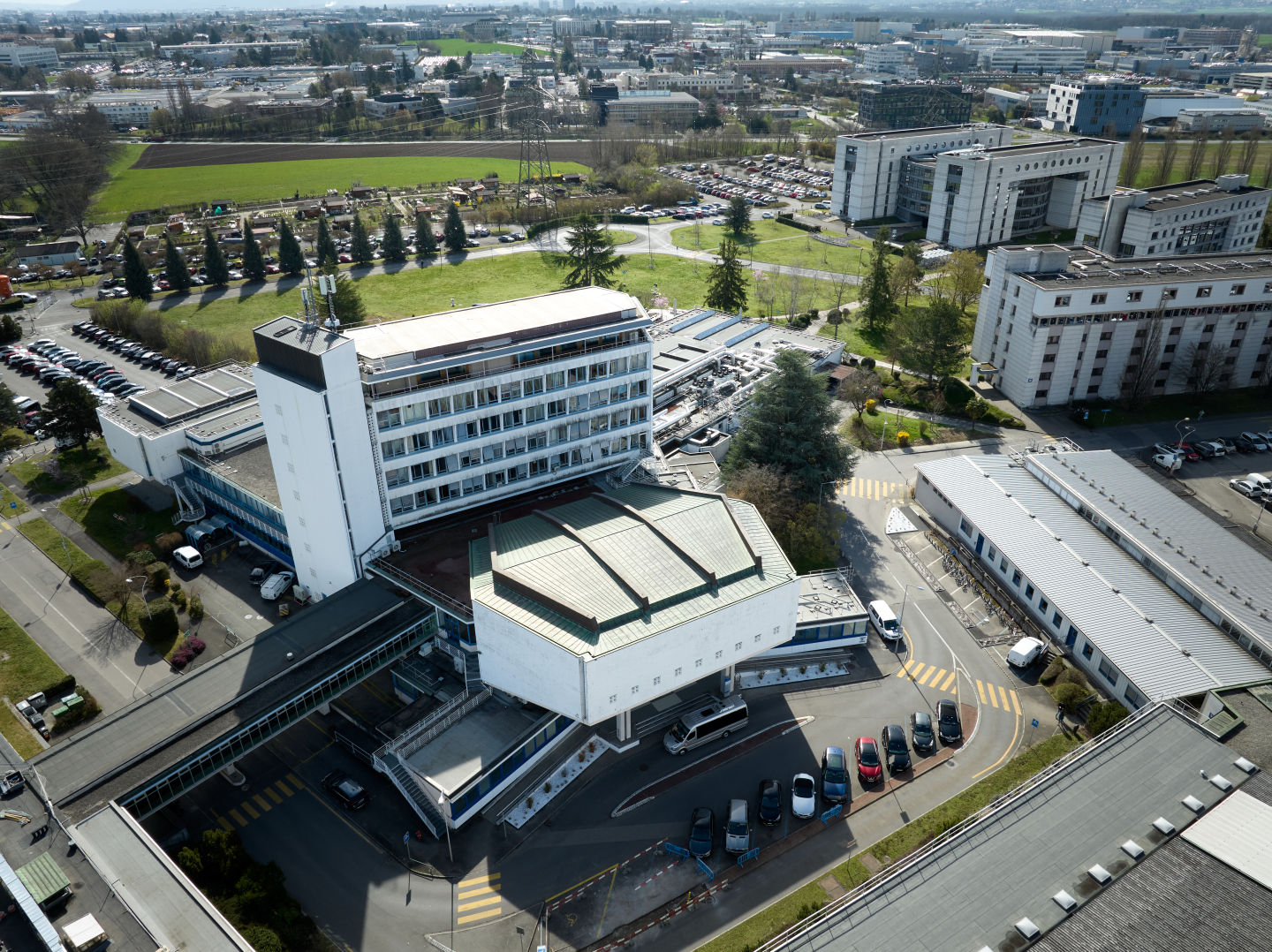
A variety of buildings for demonstrations
Participation in EU grant funding programs location

Focus areas for collaboration
The Green Village Initiative focuses on nine sustainability areas where CERN is actively seeking collaboration opportunities. Each area includes a summary of identified interests, challenges or priorities.
If your project does not fit exactly within these themes but addresses environmental sustainability through strong research, innovation or demonstration activities, we would still be pleased to hear from you and explore potential collaboration opportunities.
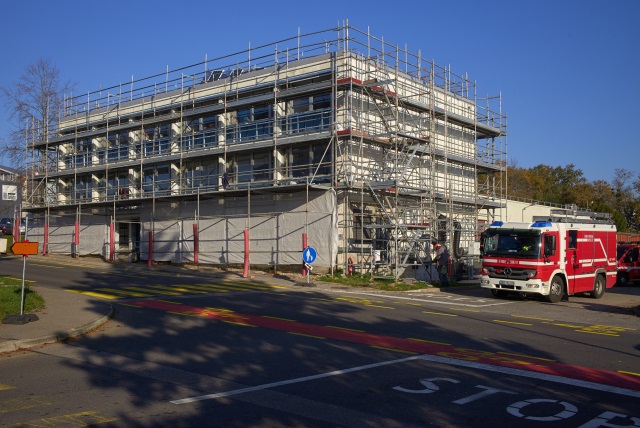
Sustainable Construction Methods
Promoting and implementing sustainable construction practices, utilizing environmentally friendly materials, and adopting energy-efficient designs to minimize the environmental impact of new and existing buildings.
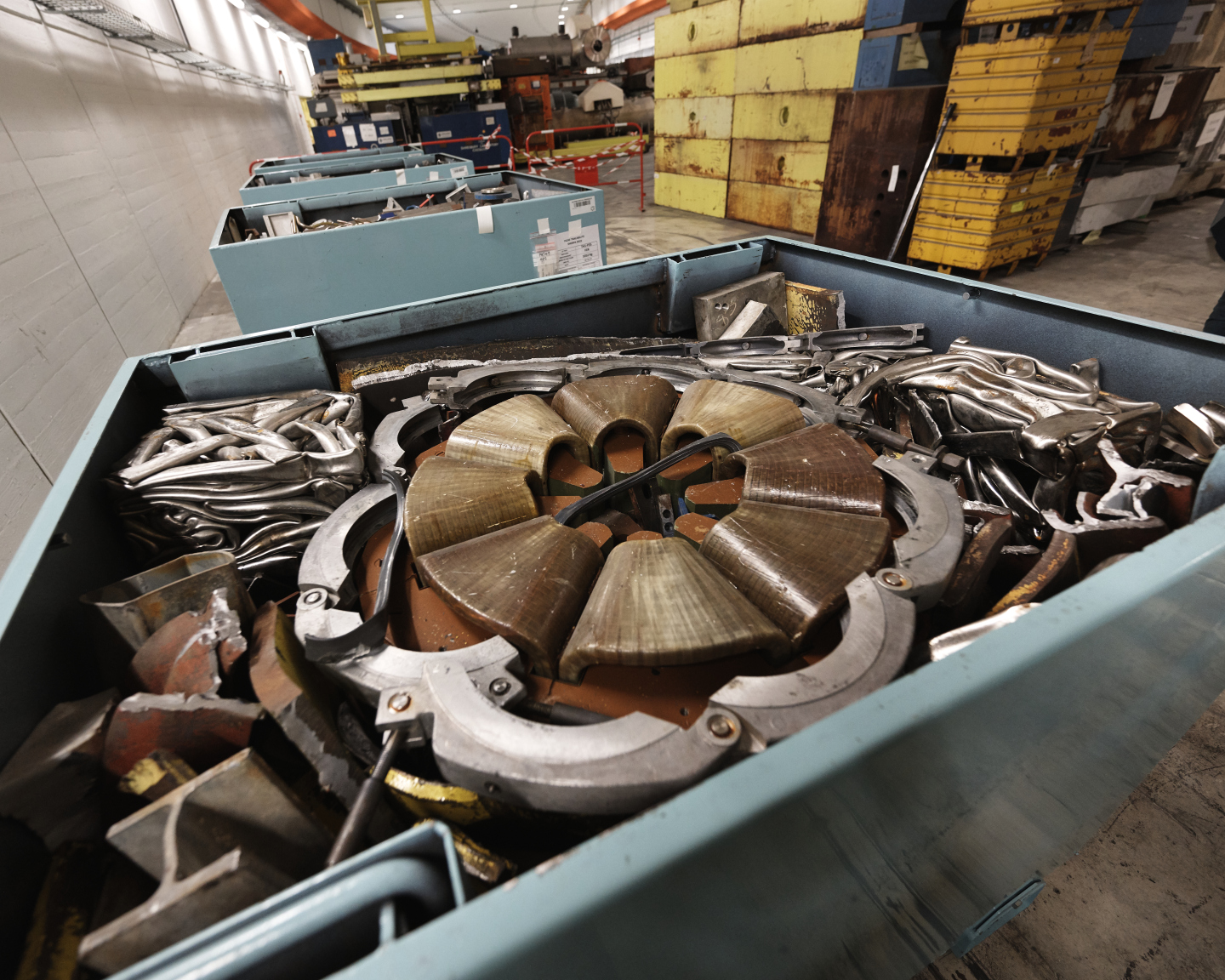
Pollution and Waste Prevention
Identifying and implementing strategies to prevent pollution and waste generation, as well as promoting the efficient use of resources and the recycling or upcycling of waste materials.
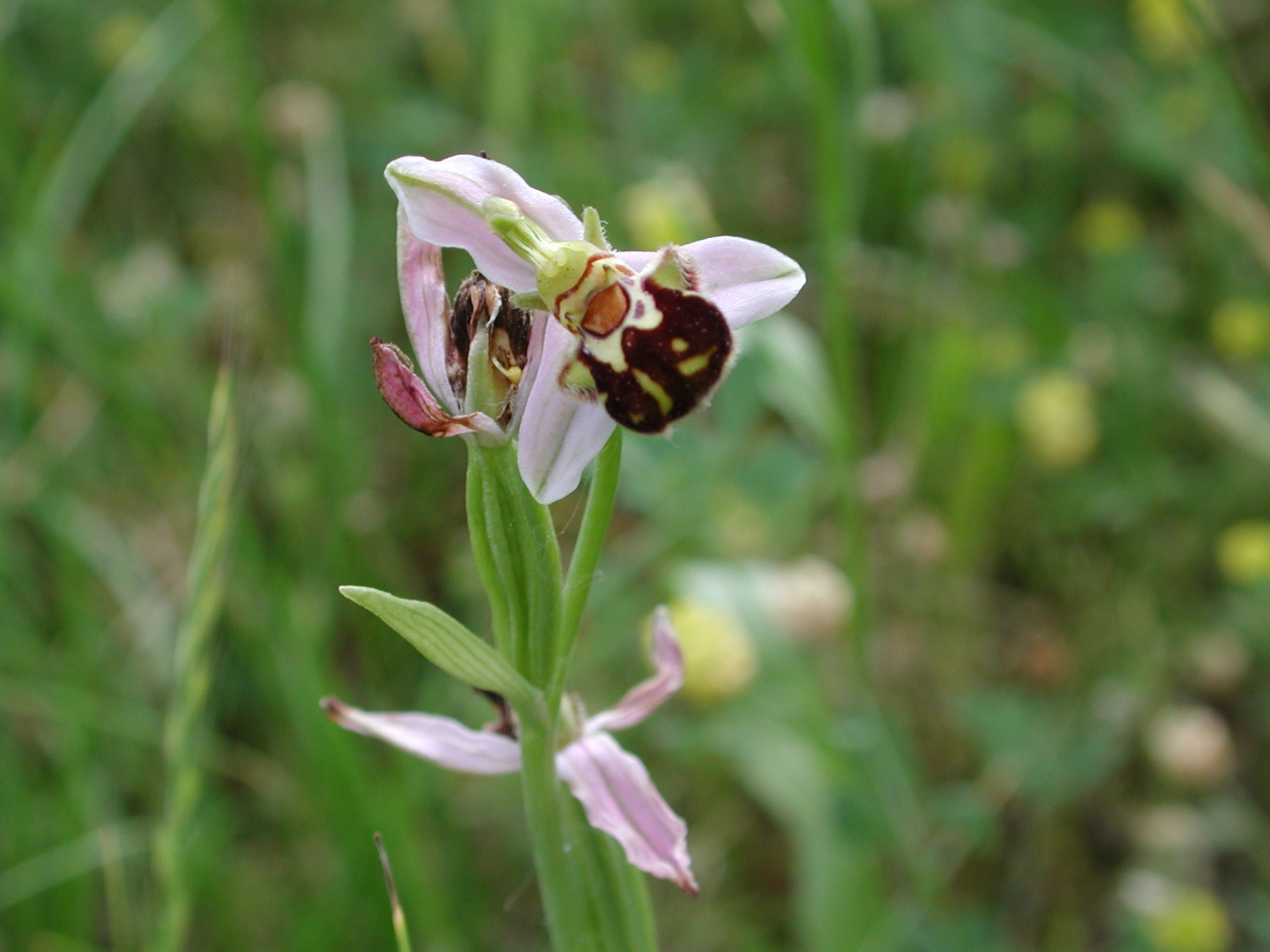
Biodiversity Conservation
Implementing strategies to protect and enhance biodiversity, ensuring the preservation of natural habitats and the promotion of ecological balance.
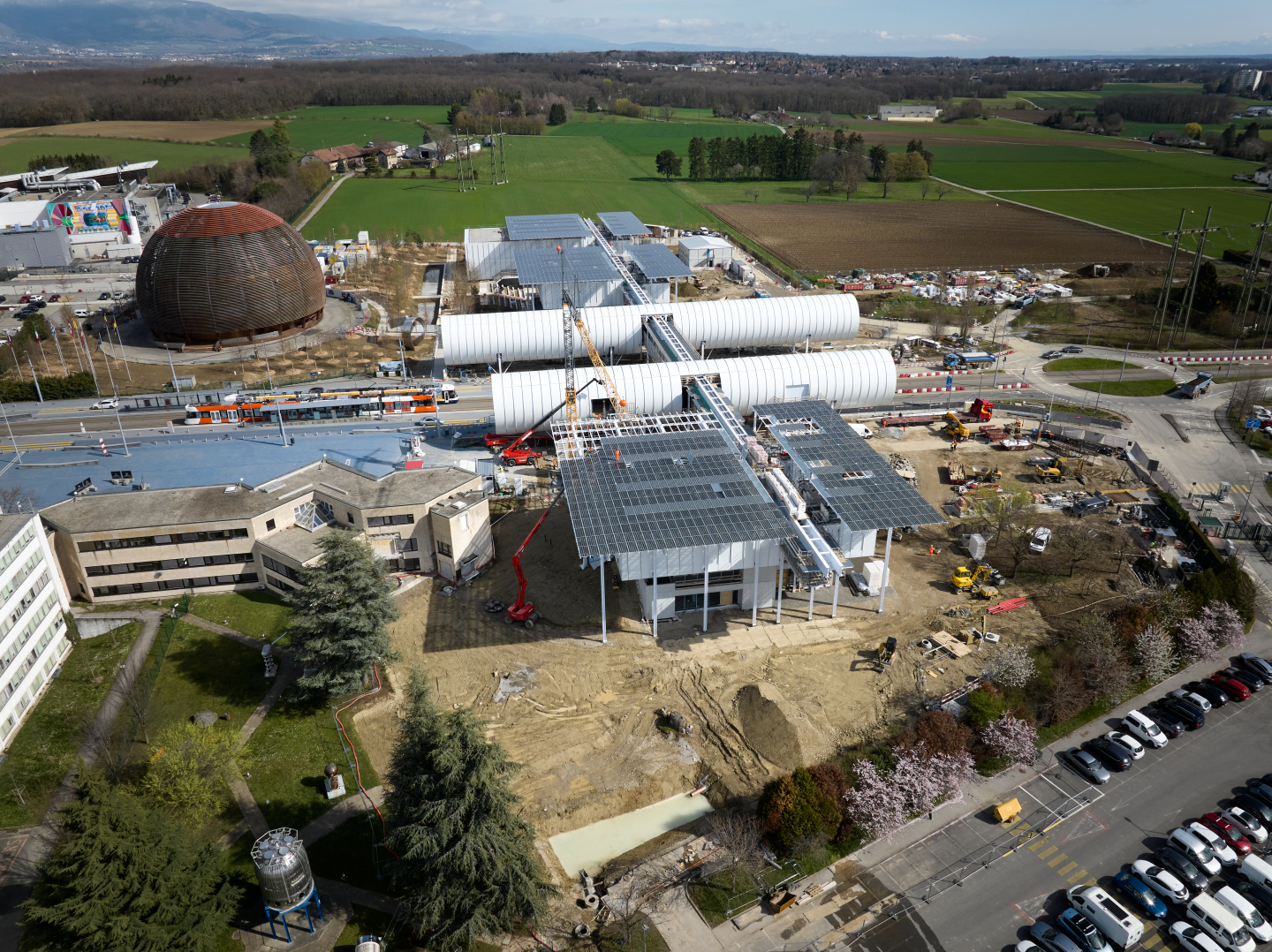
Big Data Analysis for Carbon Footprint Reduction
Utilising big data analysis techniques to identify areas for improvement an organisation’s operations and develop targeted strategies for reducing its overall carbon footprint.
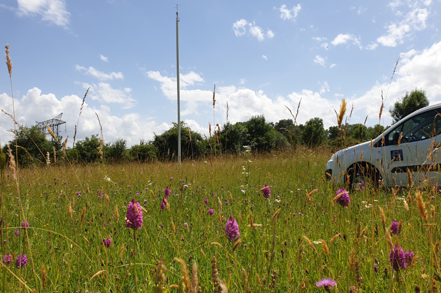
Environmental Monitoring
Employing advanced sensor technology and data analytics to monitor and assess the state of the environment, identifying trends and potential issues to guide effective and informed decision-making for sustainable management.
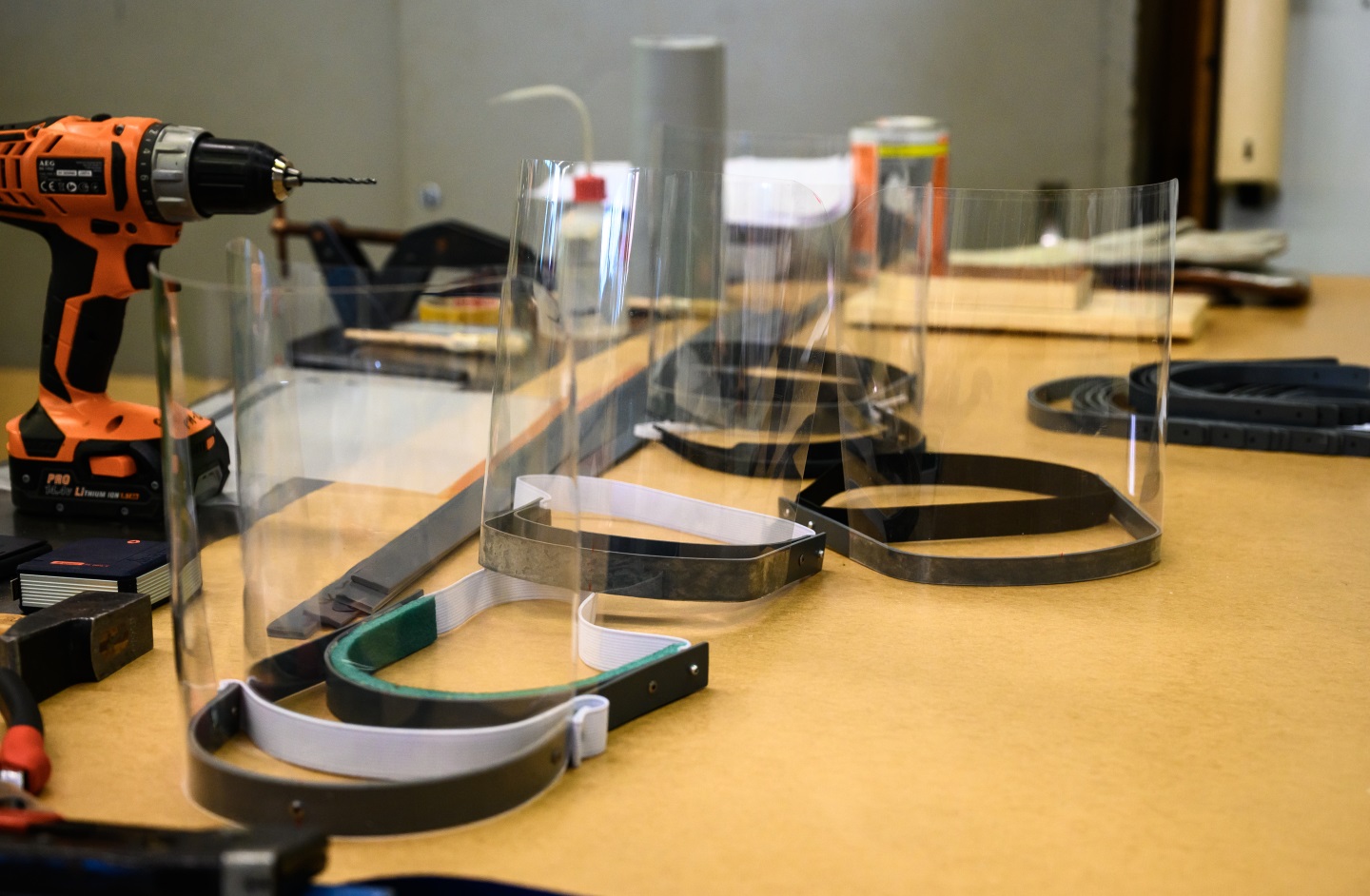
Light and Noise Pollution Abatement
Developing and implementing innovative solutions to reduce light and noise pollution, contributing to a healthier environment for the campus community and surrounding areas.

Smart Energy
Developing innovative solutions for energy generation, storage, and distribution that minimise environmental impact, improve energy efficiency, and reduce greenhouse gas emissions.
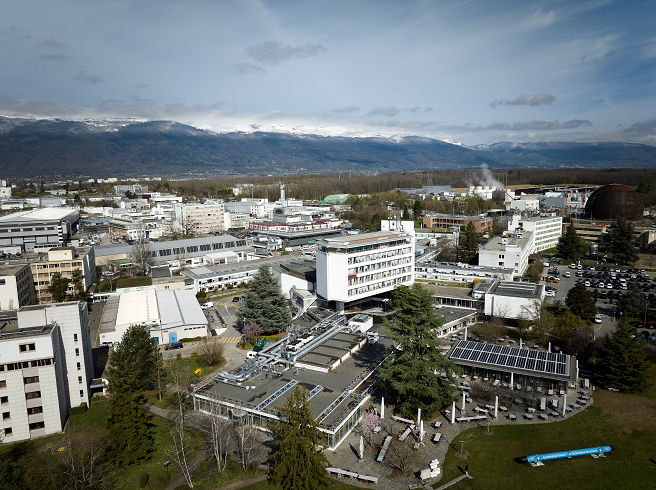
Urban analytics
Leveraging data-driven insights to optimise space and land management, leading to more efficient use of resources, better facility management, and improved environmental performance.
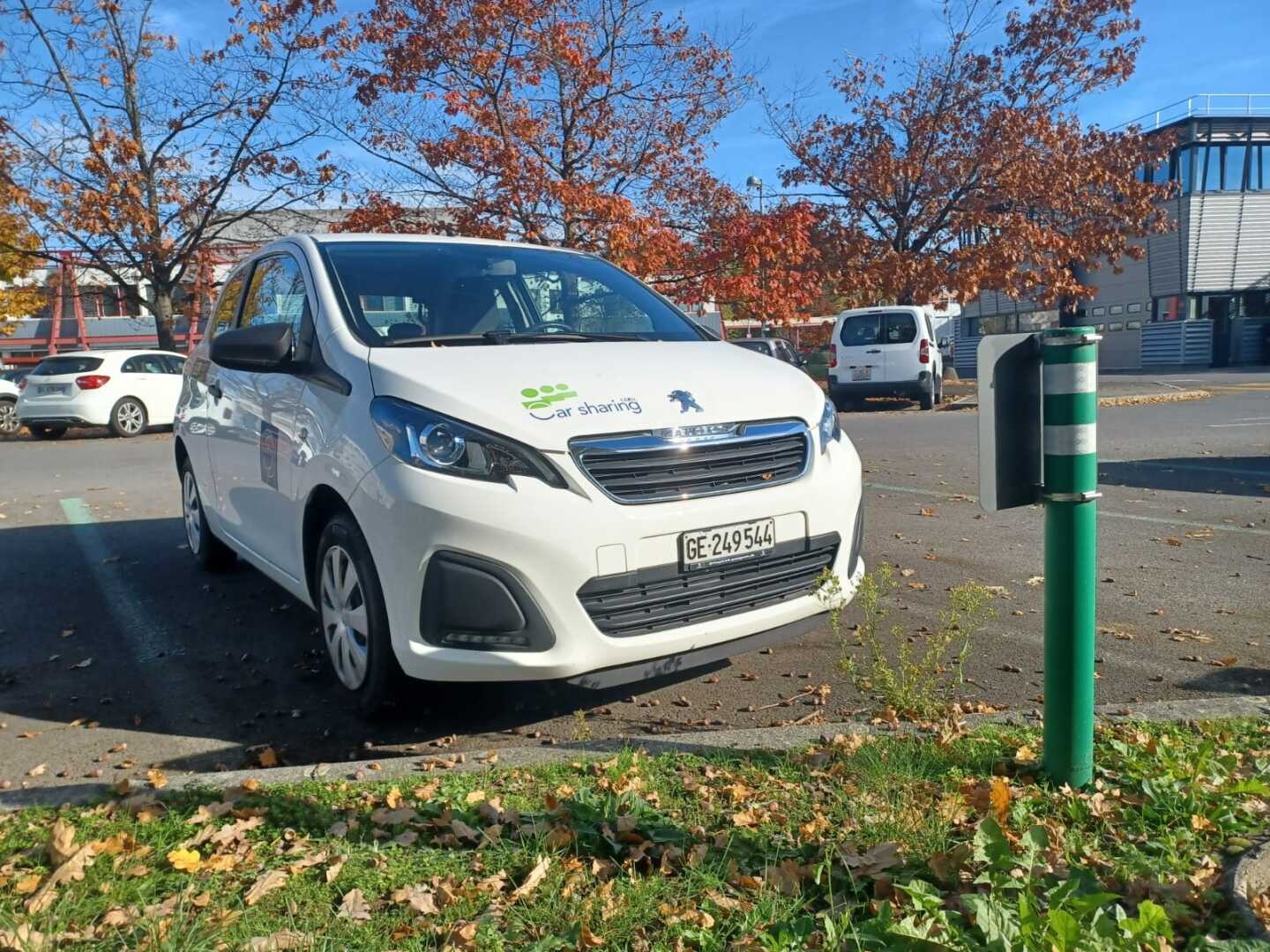
Green mobility
Creating sustainable transportation solutions, such as electric vehicule infrastructure, shared mobility services, and improvements in public transportation access and utilisation.
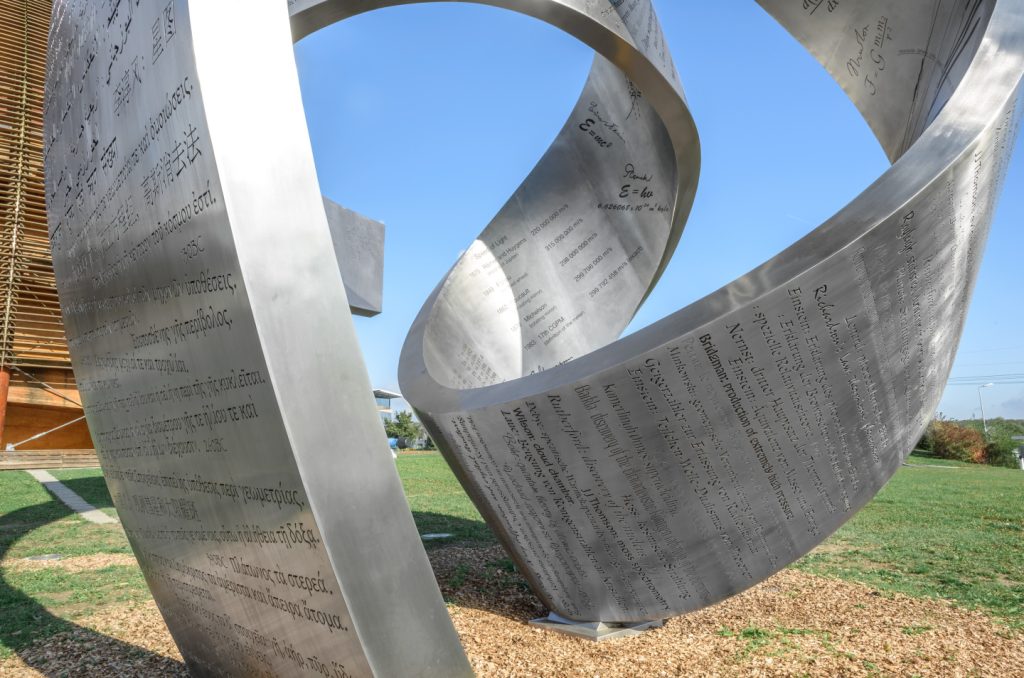
Green Village Projects
Discover how the Green Village Initiative supports sustainable innovation through pilot and demonstration projects carried out on the CERN campus. These projects provide real-world opportunities to test, validate and showcase new technologies in collaboration with research organisations, companies and innovators.
Work with us
Start your Sustainable Pilot at CERN today!
We would be pleased to hear about your project and explore how the CERN Green Village campus could support it as a demonstration site. We offer two collaboration models: participation in a larger Horizon Europe consortium project, or a direct one-to-one collaboration with CERN. In both cases, proposals should include a significant research and innovation component.
Please note, that all Green Village participations must also include an IdeaSquare (student innovation training) element, as we firmly believe that sustainable innovation only takes place if we continuously increase next-generation entrepreneurial capacity.

EU Project Collaboration
If your consortium is interested in working with CERN on the development and implementation of new Horizon Europe research projects, please let us know at green.village@cern.ch.
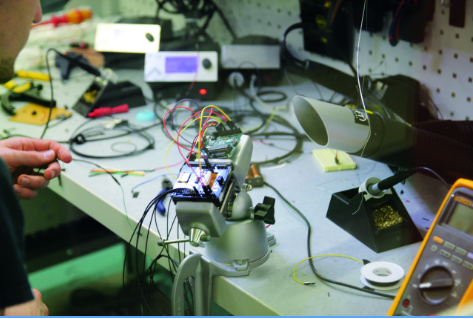
Direct Collaboration
If your organisation is interested in using CERN as a testbed for an early-stage sustainable solution or technology, please follow the CERN’s Green Village Participation Process for Individual Organisations.
Conditions for collaboration
Being an international Research Infrastructure for particle physics, CERN is bound by a number of internal rules and regulations defining site access conditions and working hours, access to technical and scientific infrastructure, health, safety and environmental regulations, etc. Possible project collaborations will be assessed against these rules and restrictions.
Certain laboratories and all high energy physics experiments focus on civil applications only. Moreover, CERN’s decision to participate and provide expert support in any project is also guided by the level in which the project idea fits with CERN’s Masterplan 2040, CERN’s Environmental Reports, and its potential for IdeaSquare (student innovation training) inclusion.
Collaboration management
The Site and Civil Engineering (SCE) Department manages and develops CERN real estate assets and infrastructure in line with CERN’s scientific strategy as well as all of the services related to the operation and maintenance of the CERN site. SCE embraces CERN’s sustainability commitments and translates them into challenges to be addressed by solutions deployed on site. SCE’s vision is to create an inspiring and welcoming environment for CERN’s scientific community now and in the future.
IdeaSquare is a facility at CERN educating and training young innovators to address problems linked to the UN’s Sustainable Development Goals. IdeaSquare is the innovation space at CERN that uses collaborative methodologies, access to CERN expertise and cross-connectivity to create solutions for the future of humankind. More than 1,200 students and 200 related societal challenge-driven projects have interacted at IdeaSquare so far.